



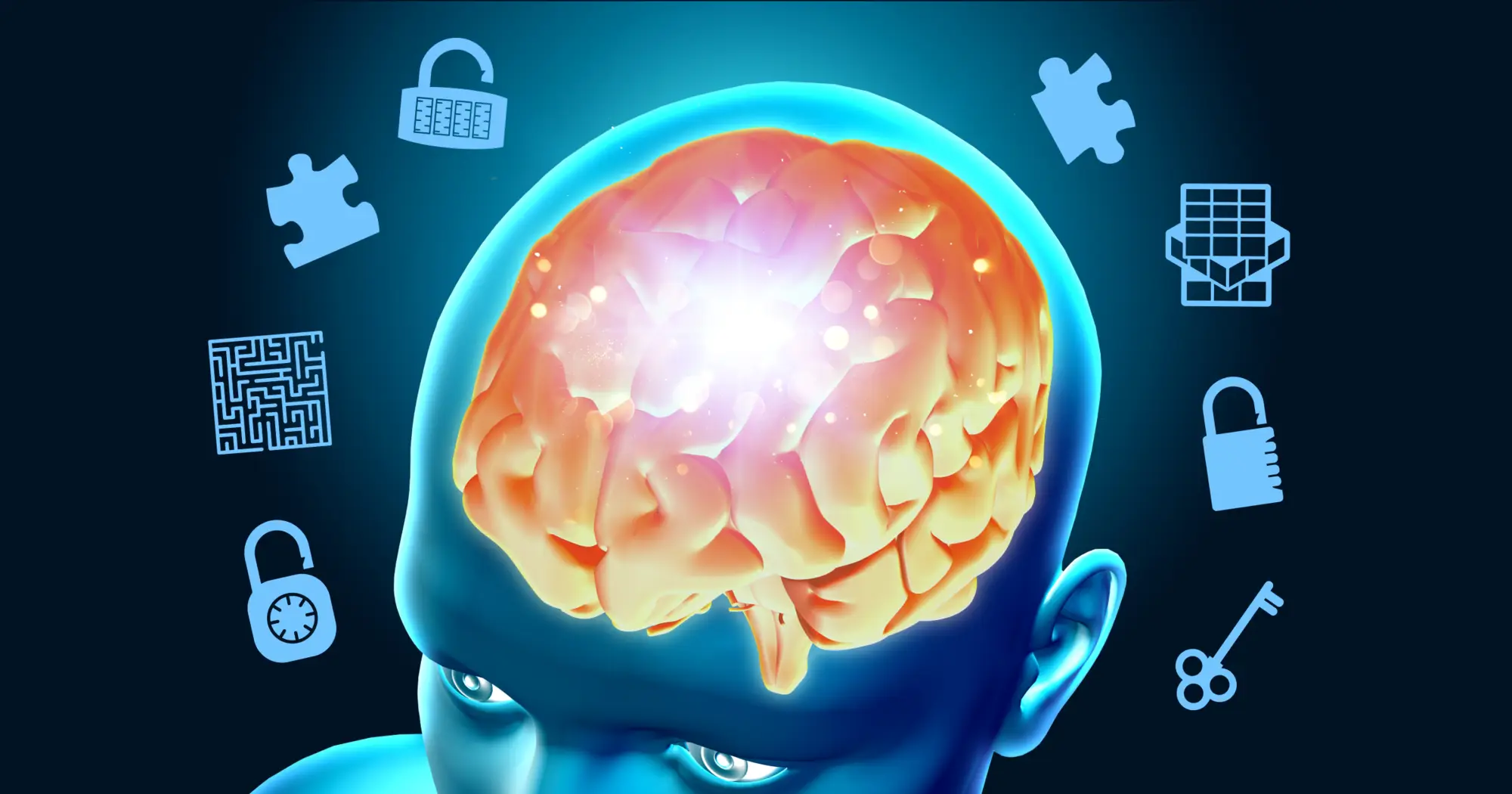
You step out of the room, heart still pounding, brain buzzing with the satisfaction of that final click. Whether you escaped with 10 seconds to spare or got locked in with a minute left, something keeps pulling you back. It’s not just fun… it’s chemistry. Escape rooms tap into some of the most powerful reward systems in the human brain, and once you understand the science, you’ll realize this isn’t just entertainment. It’s a full cognitive workout.
Dopamine: Your Brain’s Built-In Reward Loop
Every time you crack a puzzle, your brain releases dopamine, the same neurotransmitter that fires when you level up in a video game, land a trick in a skill game, or solve a tricky riddle. Dopamine isn’t just about pleasure. It’s about anticipation. Neuroscientists have found that the brain actually releases more dopamine in the moments before a reward is delivered, which is why the hunt for a solution feels just as good as finding one.
Escape rooms are essentially dopamine machines. They’re engineered to deliver a steady drip of micro-rewards: a lock that finally opens, a code that clicks into place, a hidden compartment you noticed when no one else did. Each small win signals your brain to keep going, building a loop that makes 60 minutes feel like 10.
Narrative Immersion: Why Story Changes Everything
Not all puzzle experiences are created equal. What separates a great escape room from a box of brain teasers is narrative immersion and the brain responds to it in a measurable way. When you’re dropped into a spaceship careening through space or tracking down a missing scientist in Bigfoot’s territory, your brain engages what psychologists call “transportation theory.” You’re not just solving puzzles, you’re living inside a story.
This narrative state activates regions of the brain associated with empathy, spatial reasoning, and emotional memory, which is why immersive experiences are remembered more vividly than passive entertainment. You don’t just remember that you played an escape room. You remember the moment your team cracked the cipher, the sound of the alarm, the look on your friend’s face when the door swung open.
Flow State: The Zone You Can’t Stop Chasing
Psychologist Mihaly Csikszentmihalyi coined the term “flow state” to describe the mental condition of being completely absorbed in a challenging task, where difficulty and skill are perfectly balanced, and time seems to stop. Gamers know this feeling intimately. Escape rooms are one of the most reliable ways to trigger it outside of a screen.
A well-designed room keeps difficulty calibrated so you’re never bored and never completely overwhelmed. That sweet spot is where flow lives. And because flow is intrinsically rewarding, your brain files the experience as something to seek out again.
Social Bonding: The Chemical Glue of Shared Challenges
Escape rooms aren’t just solo brain workouts, they’re social experiences, and that matters neurologically. Shared stress and shared victory both trigger oxytocin release, the hormone associated with trust and bonding. Teams that problem-solve together under pressure don’t just have fun, they build genuine connections that are difficult to replicate in everyday environments.
This is why escape rooms work so well for couples, friend groups, and corporate teams alike. The challenge strips away social performance and forces genuine collaboration. You find out quickly who’s a natural leader, who notices details others miss, and who completely loses their cool when the timer hits five minutes. It’s revealing in the best way!
Your Brain Is Begging You to Book Again
The science is clear: escape rooms aren’t just a fun night out. They’re a neurologically rich experience that trains attention, rewards curiosity, builds social bonds, and delivers the kind of deep satisfaction that passive entertainment rarely can. Book your experience today at mythicalescapes.com.